


REIMAGINING EDUCATION: Building Self-Sustaining School Ecosystems in Zimbabwe

Across Africa and particularly in Zimbabwe, education is not just about classrooms. It is about infrastructure, access, resilience, and economic empowerment.
The reality is simple. Without stable systems around education such as energy, food, and water, schools cannot truly thrive.
This is where the vision behind Lucy Gwatidzo Foundation Schools becomes transformative.

From Schools to Ecosystems
The ambition is not to build schools.
It is to build self sustaining ecosystems.
The Lucy Gwatidzo Foundation Schools initiative is designed to deliver:
• Academic excellence
• Vocational training
• Boarding facilities
• Community integration
What makes this model powerful is what surrounds the classroom.
Each school becomes a living, breathing economic unit.

Energy Production: Powering Education and Communities
Energy is one of the biggest barriers to development.
Many rural schools operate without reliable electricity, limiting learning, digital access, and growth.
This model changes that.
Each campus integrates:
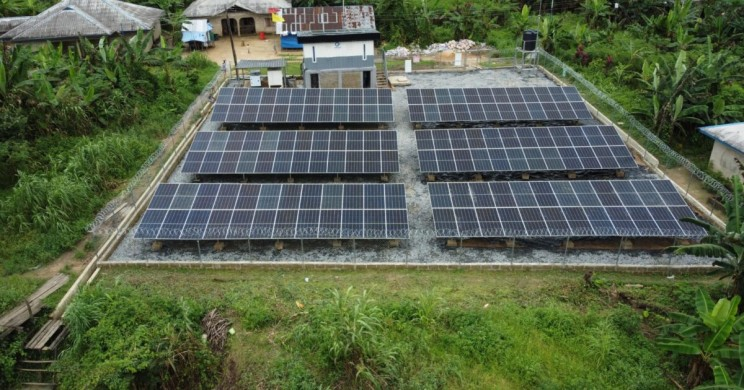
• Solar energy systems
• Battery storage
• Potential micro grid expansion
This delivers two outcomes.
Ensures uninterrupted learning
Creates surplus energy for surrounding communities
Schools evolve into local energy hubs, supporting households, small businesses, and future development.
Food Production: From Dependency to Self Sufficiency
Education without nutrition is ineffective.
Many children across the region struggle to learn simply because they are hungry.
By embedding agriculture into the school system, this model creates:
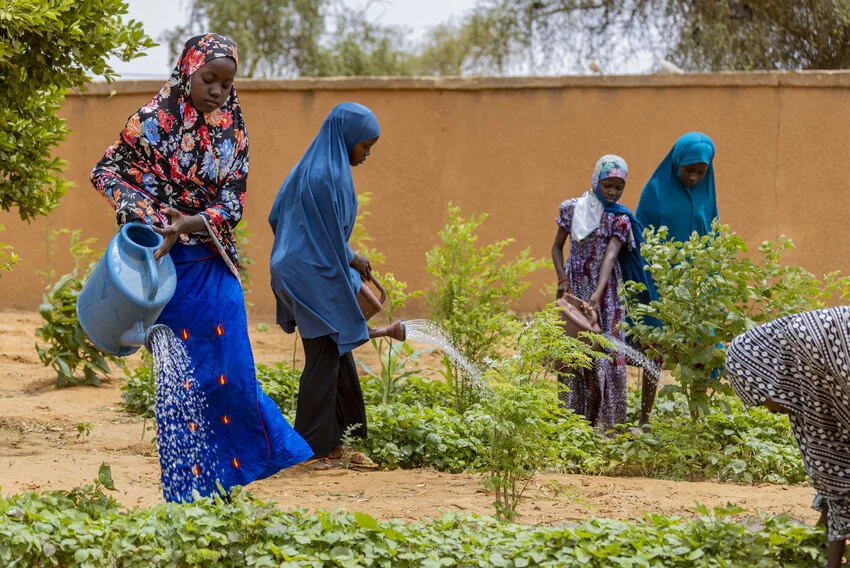
• On site food production including crops, livestock, and regenerative farming
• Training in modern agricultural techniques
• Revenue generating outputs for local markets
This is not just about feeding students.
It is about teaching skills, creating income, and strengthening food security.
Vocational Training: Education That Creates Employment
Traditional education alone is not enough.
The future requires skills, adaptability, and entrepreneurship.
Each school integrates vocational pathways such as:
• Agriculture and agri tech
• Renewable energy maintenance
• Construction and infrastructure
• Digital and practical skills
Students do not just graduate.
They leave with the ability to create value, build businesses, and contribute to their communities.

A Scalable Infrastructure Model
This is where the opportunity becomes compelling.
Capital sought: $2.5M per school Total rollout: 40 schools, approximately $100M Focus: Sustainable infrastructure and community ecosystems
The model addresses a critical gap.
Zimbabwe has a long standing need for expanded education infrastructure and access.
Historically, boarding schools have played a key role in expanding opportunity and access to higher education.
This next generation goes further.
It combines education, infrastructure, and production into one integrated system.

Investor Perspective: Beyond Impact
This is not charity.
This is infrastructure investing with purpose.
The model creates:
• Long term, stable cash flows through boarding and services
• Scalable replication across regions
• Strong ESG alignment
• Tangible and measurable impact
It sits at the intersection of:
• Education infrastructure
• Renewable energy
• Agriculture
• Community development
Few opportunities bring all four together in a single, scalable platform.

A Track Record of Impact and Success

The Bigger Vision
Imagine 40 schools across Zimbabwe.
Each one:
• Producing its own energy
• Growing its own food
• Educating future leaders
• Creating local employment
• Powering surrounding communities
This is how you move from:
Aid to independence
Consumption to production
Education to transformation
Partnerships: Building a Global Movement
To deliver this vision, capital alone is not enough.
We are actively looking for:
• Strategic partners
• Energy companies
• Agricultural experts
• Architects and construction firms
• Legal, marketing, and operational support
• Organisations willing to contribute time, expertise, and presence on the ground
This is an invitation to come and see, feel, and be part of real impact.
Not from a distance, but on the ground where change happens.
Final Thought
Education is the foundation.
But systems create sustainability.
When you combine schools, energy, food, and skills, you do not just educate children.
You build resilient communities and future economies.
Water. Energy. Food. Education. These are not separate challenges.
They are one system.
And those who understand how to build that system will define the future.
Join Us
This is more than an investment.
It is the alignment of capital, infrastructure, and long term impact.
If this aligns with your mandate or investment focus, let’s connect and explore how we can build this together.
Sten A. Rigedahl





Comments